
Neighborhood mobility: main streets, transit and data
For downtown organizations, neighborhood groups, business districts and the city staff they work with.
For: Downtown and neighborhood organizations, business districts and city staff
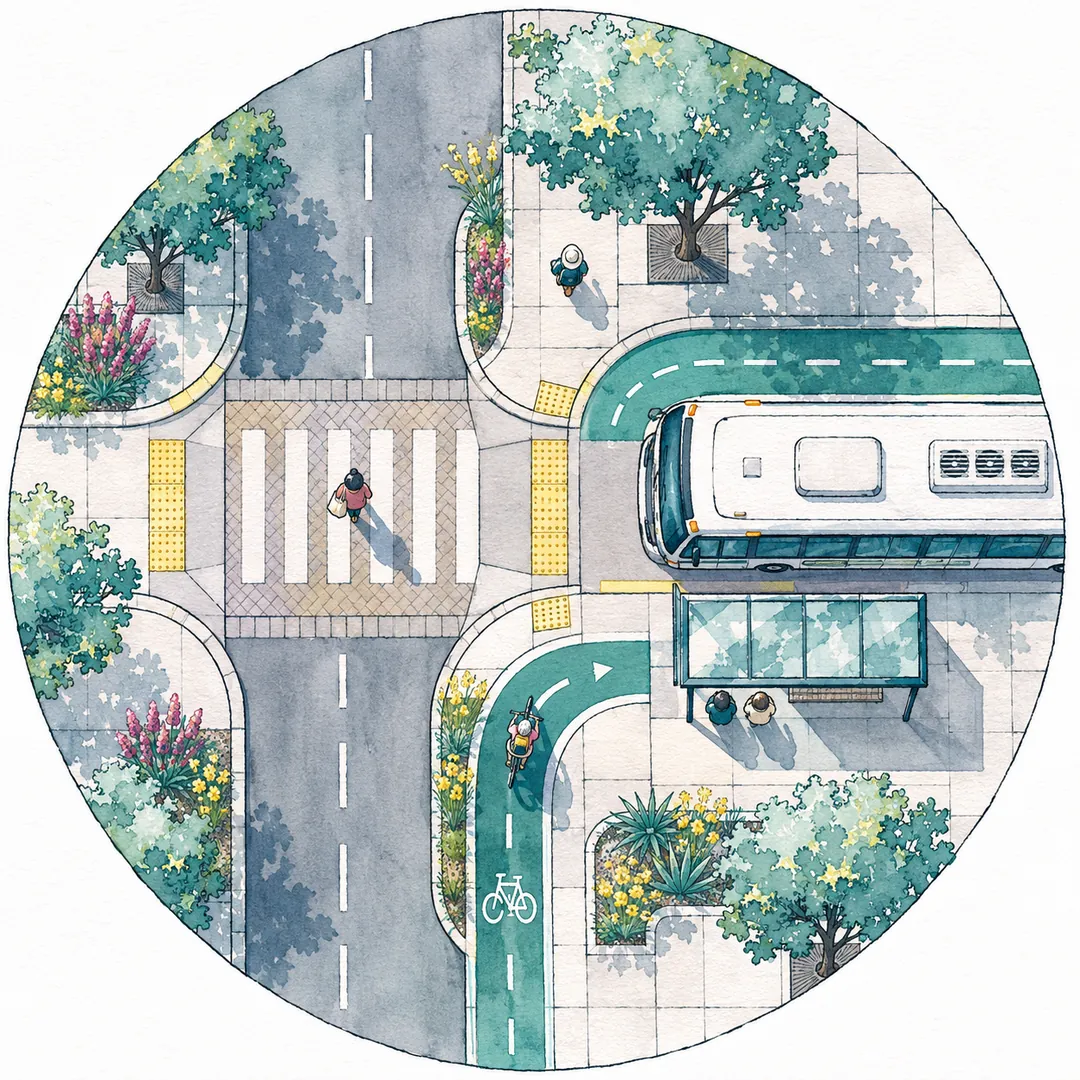
Neighborhood mobility: 5 articles
- Issue:
Bike share for the first and last mile: when it actually helps transit
Does bike share help people reach transit, and where should a neighborhood put stations so that it does?
- Issue:
How to fund a bike share or e-bike program: grants, sponsors and partners
What funding can pay for a neighborhood or small-city bike share or e-bike program, and what are the deadlines and match rules?
- Issue:
Trips per bike per day: what good looks like for a small bike share
What is a good number of trips per bike per day for bike share, and how should a small network measure success?
- Issue:
Docked, dockless or hybrid bike share: which fits a neighborhood?
What are the trade-offs between docked, dockless and hybrid bike share for a neighborhood, campus or downtown?
- Issue:
Can bike share work in a small city? Lessons from the record
Does bike share work in small cities and towns, why do small programs fail, and how should one start?
Most trips are short. The U.S. Department of Energy reports that in 2021, 52% of all trips were under three miles and 28% were under one mile. This section looks at how e-bikes fit those trips on main streets and in neighborhoods, and at the planning, agreements and money behind a shared station.
What it covers
- Main streets and neighborhoods. Where stations work, how they share space with sidewalks, storefronts and parking, and why a station on a public street or sidewalk needs a city agreement.
- Transit connections. Using a bike for the first or last mile of a bus trip. The trip time calculator compares door-to-door times.
- Planning and policy. How cities set rules for shared vehicles, from ordinances to operator agreements.
- Funding. What public programs pay for and who can apply. Programs such as the Transportation Alternatives Set-Aside and CMAQ fund public sponsors, not private operators, and each has its own rules and calendar.
- Data. Which numbers show whether a network works, from trips and active riders to bike availability, and how to estimate effects with sourced factors in the emissions calculator and the commute cost calculator.
How it connects to Colibrino
Colibrino starts neighborhood programs on private land, such as a business, a church lot or a downtown organization’s property, or under a city agreement. It does not leave dockless bikes on public sidewalks. The urban neighborhoods page explains how a station fits a neighborhood or downtown host, and the programs page describes the neighborhood pay-per-ride program. Ride data and reporting lists the monthly report fields a board or a city can expect.
Colibrino can help a public sponsor prepare the transportation case and data for a grant. It cannot promise eligibility or an award.
Start with one station.
Tell us about the place: how many homes or beds, where people come and go, and where the nearest outlet is. We reply with questions or a time to walk the site with you.